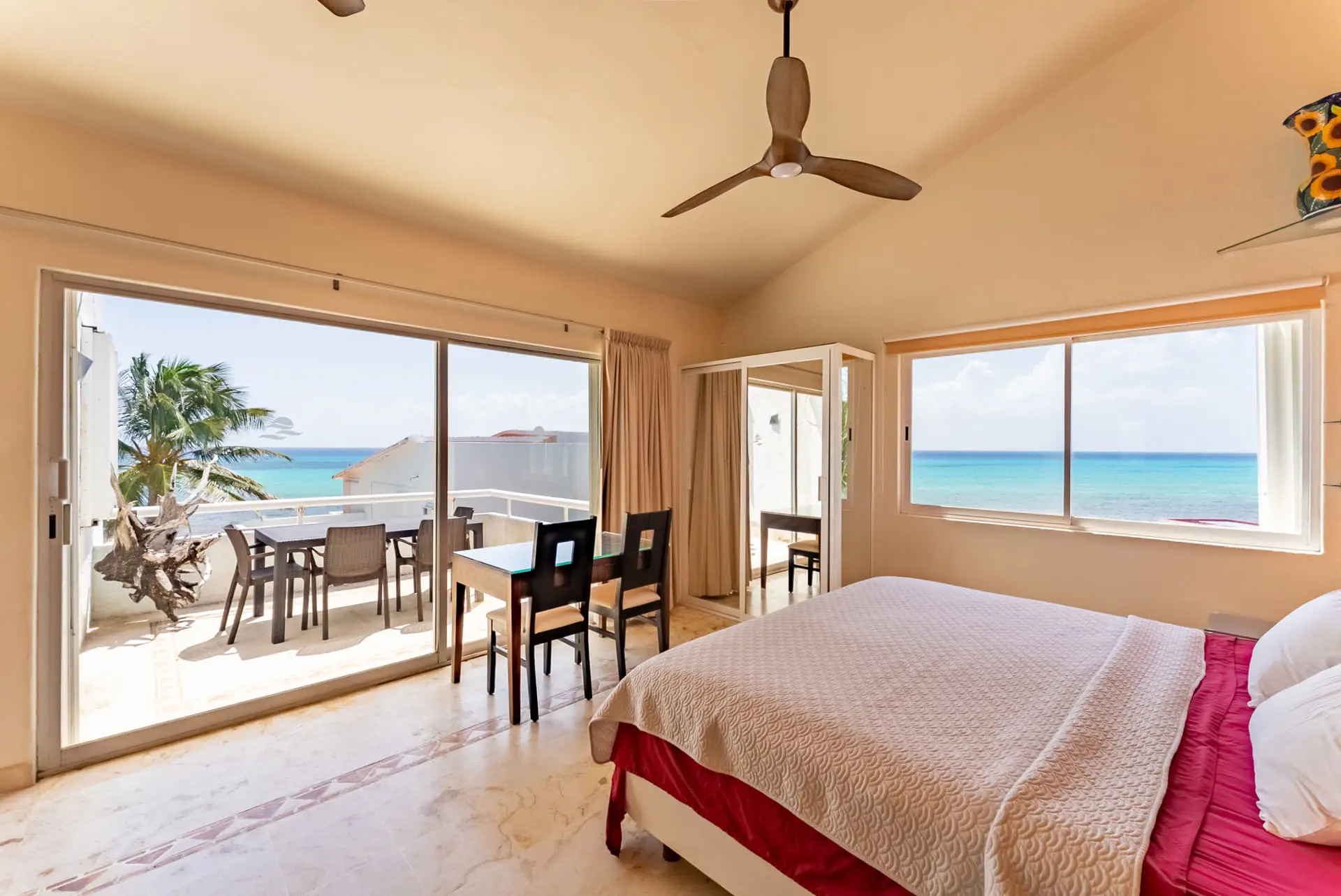
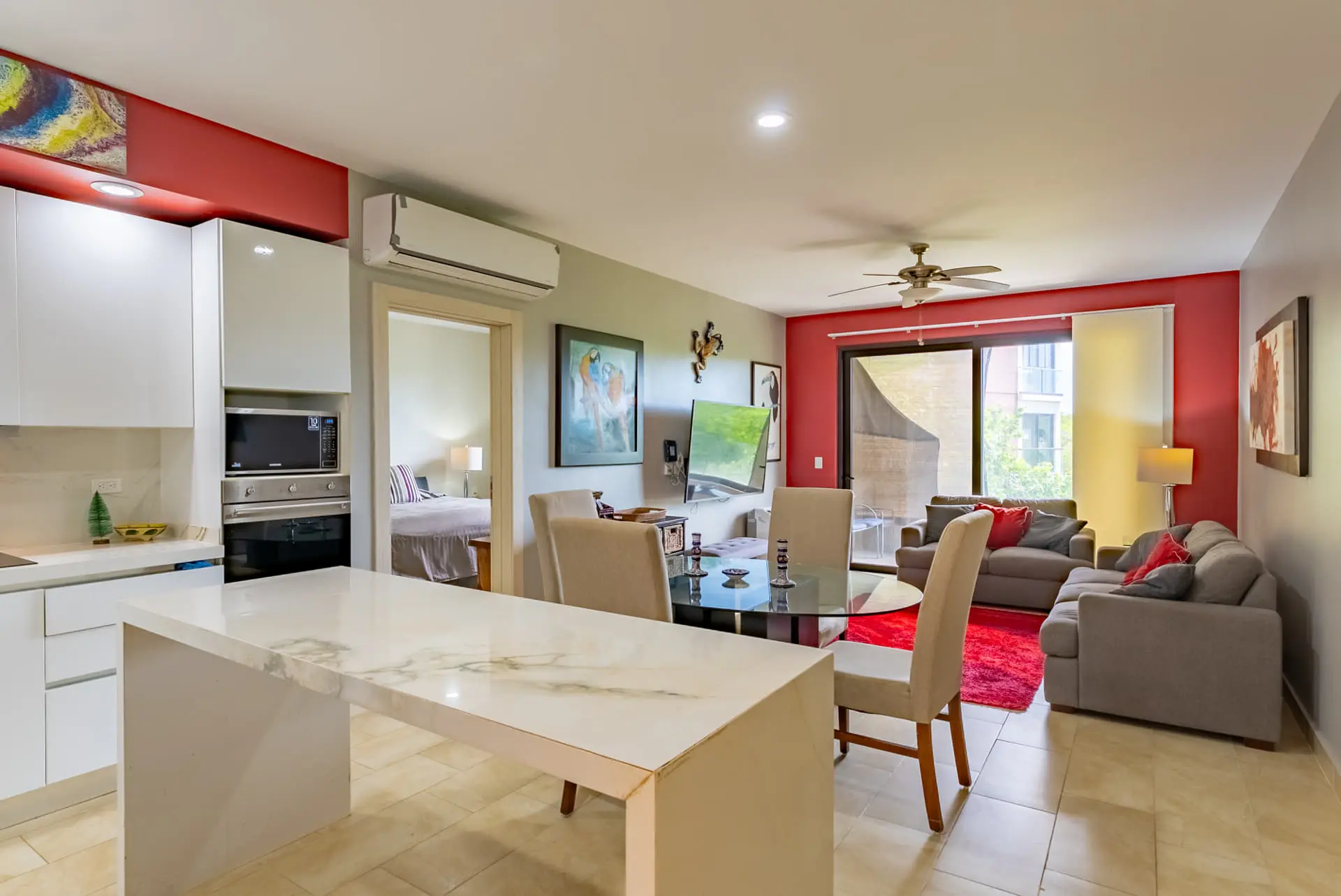
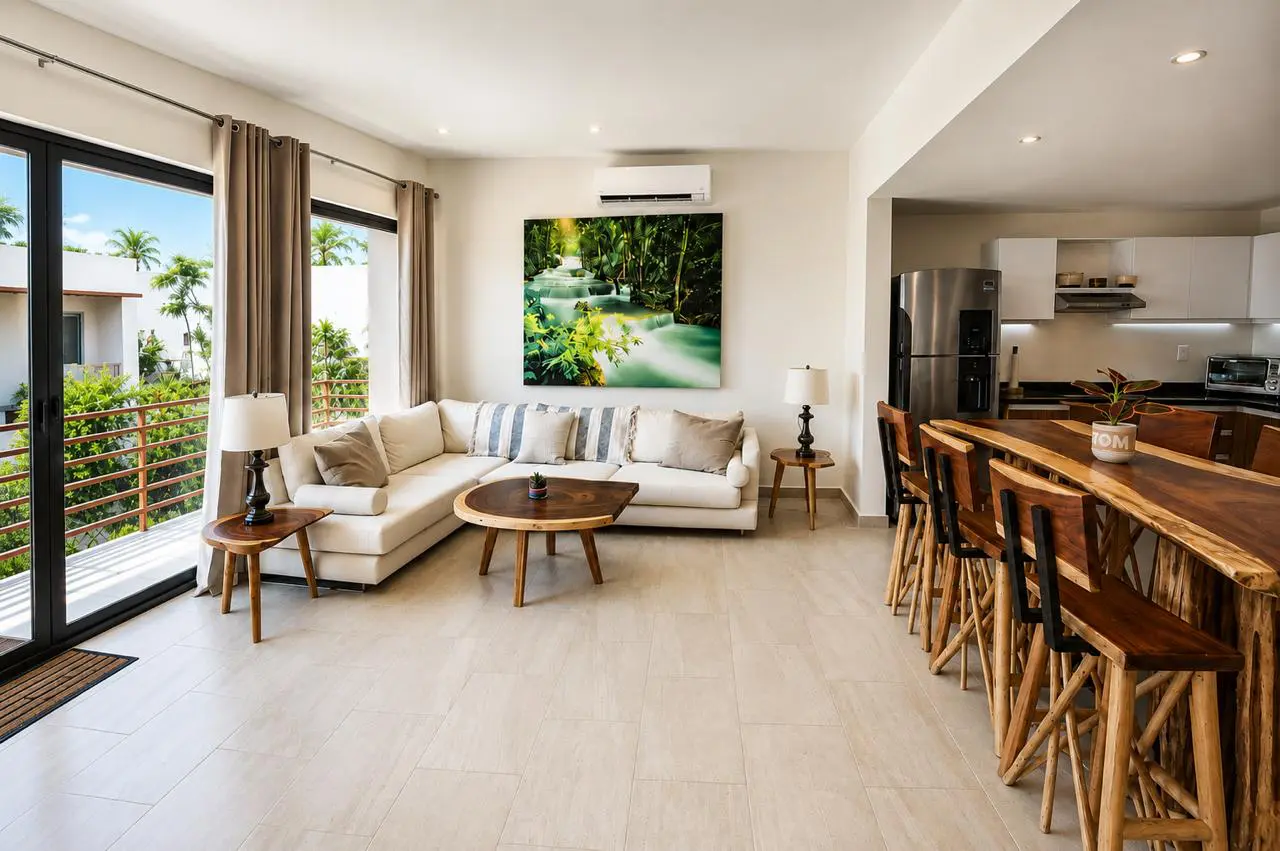
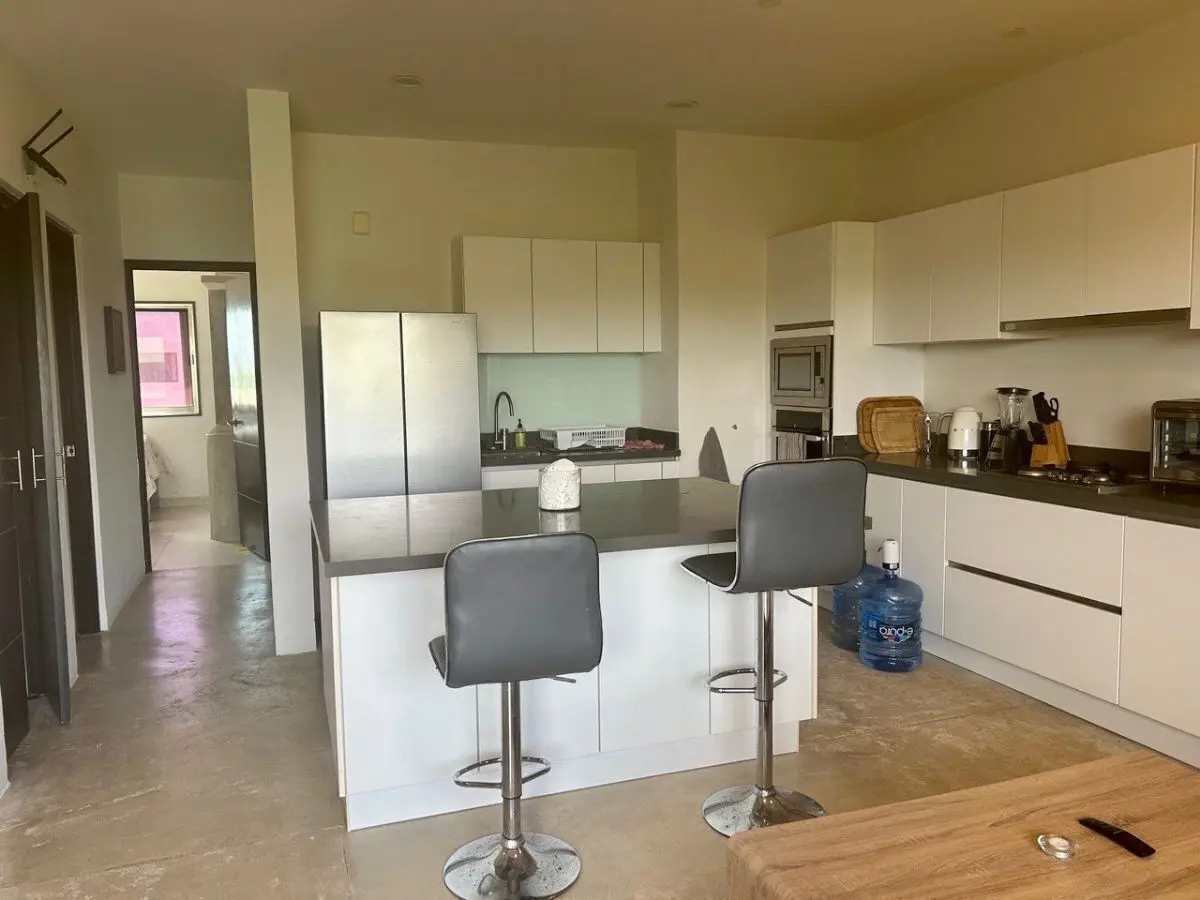
Sometimes, no matter how hard we try, no matter how intense our marketing efforts are, a property just does not sell. Even with multiple showings. Even with a few offers. What is going on? How does that happen?
For a seller, this can be incredibly frustrating, particularly when the property is beautiful, well-maintained, and you believe the asking price is justified. But when a property doesn’t sell, there is usually a reason. And before changing listing agencies, spending money on renovations or simply waiting another year, it is worth taking an objective look at what the market is telling you.
In most cases, the answer falls into three broad categories: Marketing. Condition. Price. And sometimes, it is a combination of all three.
First, Understand the Riviera Maya Market
There are two important realities about selling real estate in the Riviera Maya.
First, this is predominantly a second-home and investment market. For most foreign buyers, purchasing here is discretionary. They may want a property in Playa del Carmen or Tulum, but they don’t need to buy one this month. That affects both how long properties can take to sell and how sensitive buyers are to price.
Second, the foreign-buyer market remains largely cash-based. Buyers commonly arrive with their financing already arranged in their home country. This is through savings, a HELOC, or another source, and people are prepared to complete the purchase by wire transfer. Limited opportunities for financing for foreigners do exist in Mexico, but it remains a relatively small part of our market.
These two realities (cash basis and 2nd home purchase) matter because sellers are competing for a finite pool of buyers who generally have multiple choices and are under very little pressure to purchase. So, when a property isn’t selling, where should you look?
1. Is It the Marketing?
Start with the evidence. How many inquiries has the property received? How many showings have there been? Have there been visits? Have buyers made offers?
If a property has received exposure, regular showings, and especially offers, that tells us something important: buyers are finding the property and considering it. That is strong evidence that the marketing is reaching buyers
That doesn’t mean marketing should never be improved. Photography, presentation, positioning, international exposure, and reaching the right buyers all matter. But if buyers are consistently walking through the door and then choosing not to buy, marketing may no longer be the primary problem.
The next question is: Why are they saying no if it is not the marketing? That is where buyer feedback becomes extremely valuable.
2. What Is the Condition of the Property?
Sellers naturally see their property differently from buyers. Is the property beautifully maintained, or does it look tired? Does it need paint? New furniture? Better lighting or soft furnishings? Is it a second home that has sat unattended? Is it professionally managed?
Listen carefully to the feedback coming from showings. Sometimes relatively inexpensive improvements can make an enormous difference in how a property presents.
But I generally do not recommend pouring substantial money into renovations simply to sell a property. If an upgrade costs more than it is likely to add in value, or is unlikely to substantially shorten the time required to sell, adjusting the price may make considerably more sense.
Condition and price are connected. A beautifully renovated property and a dated property in the same building would not necessarily command the same price. And that brings us to the most difficult category.
3. Is It the Price?
This is the one sellers understandably don’t like to hear. Every owner wants to maximize the value of a property. Of course they do. And a good listing agency should want to achieve the highest realistic selling price for its client.
But there is a difference between the price we want and the price today’s buyer is willing to pay.
Comparable inventory matters enormously in the Riviera Maya. What else can a buyer purchase for $250,000? $300,000? For $500,000? For $1 million? How many similar condos, houses or investment properties are competing for the same buyer?
A buyer looking at your property is very likely looking at those properties too. That means pricing has to reflect three things: the current market, the competing inventory, and the condition of the individual property. Ultimately, based on those categories, the market is the arbiter of price.
What If You Paid More For Your Property Than Today’s Market Will Support?
This is particularly difficult. An owner may have paid $475,000 for a property ten years ago and understandably expect that ten years of ownership should mean the property is worth substantially more today. But real estate markets don’t move in a straight line.
Market conditions can change for reasons completely outside the control of the owner or the listing agency: economic downturns such as 2008, geopolitical events, hurricanes, changing tourism patterns, sargassum, shifts in exchange rates, or simply an increase in competing inventory.
Your original purchase price is important to you. Unfortunately, it does not determine what today’s buyer will pay.
Real Riviera Maya Examples
We recently represented a fantastic 2-bedroom condo in Playa del Carmen for sale in a beautiful, well-managed building. Even through my critical real estate agent eyes, the property was in top-notch condition. It also had an excellent rental history.
It was originally listed at $425,000 USD. Over approximately two and a half years, there were numerous showings and even offers, but the offers were well below the owner’s target. The price was eventually reduced to $350,000 and later to $295,000.
Then the owner finally said: “It is time to sell.”
The price was reduced to below $250,000. That week, we received three offers.
Even more interestingly, four other owners in the same building had also been trying to sell for years. They subsequently made significant price adjustments as well. All four went under contract. That is the market speaking.
In another recent example, we represented a three-bedroom townhome in Tulum for sale that had been listed for approximately two years. The original asking price was $325,000 USD. It was eventually reduced to $265,000. More months passed.
Ultimately, an offer of $190,000 USD was accepted. Is that easy for an owner to accept? Absolutely not. But an asking price, an owner’s expectation, and a property’s market value are three different things.
The actual market value becomes clearest when a qualified buyer is prepared to put money on the table.
And Sometimes, Waiting for the Right Buyer Pays Off
On a positive note, we have also seen movement at the higher end of the Riviera Maya market. Recently, a property that had been on the market for approximately two years sold for $1.8 million USD.
This was a very different situation from the previous examples. There were limited comparable properties available, the property was in excellent condition, and the marketing was reaching the right audience. Then the right qualified cash buyer came along at the right moment.
In this case, the answer wasn’t a dramatic price reduction. Limited competition, the condition of the property, effective marketing and patience all played a role. It is an important counterpoint: a long time on the market does not automatically mean a property is overpriced. The evidence surrounding each individual property matters.
Before You Fire Your Listing Agency
When a property hasn’t sold, frustration can very easily become directed at the listing company. Sometimes that is justified. Sometimes the marketing really isn’t good enough. But changing agencies without first identifying the actual problem may simply restart the same process with a different logo on the listing.
Instead, ask your listing agent some direct questions:
- How many showings have we had?
- What have buyers consistently said after those showings?
- Have we received offers, and at what levels?
- How long are comparable properties in this price range taking to sell?
- What competing properties have sold, if any, and at what price?
- What can a buyer purchase today instead of my property?
Then look objectively at the answers.
If there has been little exposure and almost no buyer activity, revisit the marketing. If buyers consistently object to the property’s presentation or condition, decide whether sensible improvements are worthwhile.
But if there have been showings, the property presents well, buyers like it—and they repeatedly reject the price or make substantially lower offers, the market is giving you information that should not be ignored.
How Much Should You Reduce the Price?
There is no universal answer. It depends largely on the seller’s objective.
If you are perfectly comfortable waiting another year or two for the possibility of achieving a particular price, that is a legitimate decision. But if selling within a reasonable period is important, the pricing strategy needs to reflect that urgency.
A tiny reduction may accomplish nothing. Moving from $425,000 to $419,000 is unlikely to change the buyer pool in any meaningful way if comparable properties are selling for $350,000. Sometimes a price adjustment has to be significant enough to reposition the property against its competition.
That isn’t necessarily bad news. It is a business decision based on what matters most to the seller: maximum possible price, speed of sale, or a balance between the two.
Listen to What the Market Is Telling You
After almost 25 years working in Riviera Maya real estate, from Playa del Carmen through Tulum, I have seen strong markets, weak markets, and just about everything in between. One lesson has remained remarkably consistent:
Sellers determine the asking price. Buyers determine what they are willing to pay. A sale happens when those two numbers finally meet.
Good marketing matters. Property condition matters. The skill and experience of your listing agency matter. But none of those can permanently overcome a substantial gap between the asking price and what the market is willing to pay.
If your property hasn’t sold, don’t immediately assume something has gone wrong. Look at the evidence. The showings, the feedback, the competing inventory, the offers, and even the absence of offers, are all telling you something.
The goal isn’t simply to lower the price. The goal is to understand why the property hasn’t sold and then make the decision that best serves your reason for selling.
And sometimes, pricing IS the answer.
If your Riviera Maya property has been on the market longer than expected and you’re wondering why, talk to us. We can take an objective look at the marketing, the competition, the condition and the pricing then we can give you our assessment.
Click here to talk with a Living Riviera Maya real estate specialist.